

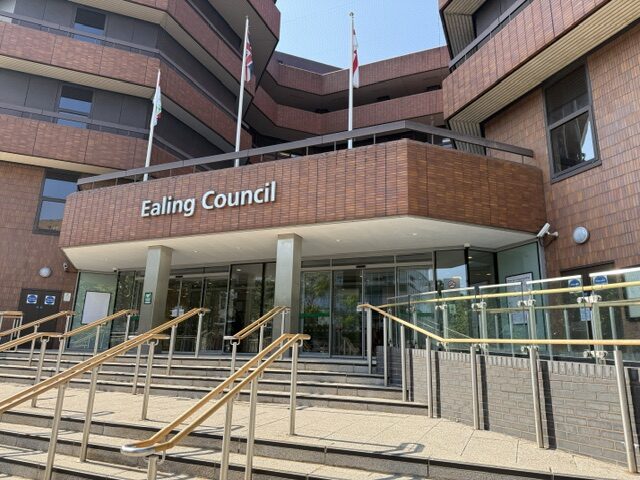
Ealing Council repeatedly recorded that a child had a sexually transmitted infection (STI) despite there being no such diagnosis, an Ombudsman investigation has found.
The Local Government and Social Care Ombudsman found the council inaccurately described information provided by a GP and went on to use the incorrect information in reports and assessments during a safeguarding investigation.
Ealing Council has accepted the findings and apologised to the child’s father. It has also agreed to correct the children’s case files and notify professionals who received the inaccurate information.
The case began in May 2024 after the child’s mother took them to a GP because of lesions in a private area.
According to the Ombudsman’s report, the GP said it was unusual for a child of that age and commented that it could happen through sexual activity. A subsequent written referral said there was a risk of sexual abuse and called for the child, referred to as Y, to be assessed by a specialist to rule out abuse.
But the Ombudsman found neither the telephone contact nor written referral said Y had a sexually transmitted infection.
Three days after the referral, the council recorded in a separate document that the lesions “were” a sexually transmitted infection. The statement subsequently appeared in reports and assessments used as the council continued its safeguarding enquiries.
The Ombudsman said: “At no point in the case recording or the written referral did it say Y ‘had’ a sexually transmitted infection.”
It added: “This is not an accurate reflection of the referral. This is fault.”
A private dermatologist later gave a “suggestive” diagnosis of a common viral infection.
The council held two strategy meetings and professionals ultimately agreed that a section 47 safeguarding investigation should take place and that a child protection medical was needed.
However, the service to which Y was referred for the medical declined the referral, saying there was no evidence of sexual abuse.
A council visit to the family followed, during which one of Y’s siblings raised a separate safeguarding concern. The council subsequently decided to hold a child protection conference.
Most professionals at the conference concluded the threshold for a child protection plan had not been met because there was no evidence of sexual abuse and no formal diagnosis. The family was instead offered support through a voluntary child in need plan.
An NHS assessment later in June 2024 also found there were no safeguarding concerns.
The Ombudsman made clear that the council had a duty to investigate concerns about possible abuse and said it could not conclude that the outcome would have been different if accurate information had been included in the reports.
But it found the inaccurate recording caused Y’s parents distress and uncertainty over whether the safeguarding process might have unfolded differently.
During a meeting with the parents in June 2025, the council acknowledged that its assessment had “reworded something that was not there” and that it should have quoted what the GP had actually said.
The Ombudsman also found fault with the council’s handling of the father’s subsequent complaint.
A Stage 1 response was 44 working days late, while its Stage 2 response was delayed by 21 working days.
Ealing Council has agreed to pay the father, referred to as Mr X, £500 to recognise the distress and uncertainty caused.
It must also produce a letter acknowledging and detailing the errors, including specifically that the GP’s referral did not say Y had a sexually transmitted infection. The letter is to be placed on the children’s case files and sent to professionals who received the incorrect reports and assessments.
The council has also agreed to produce an action plan setting out how it will quality assure assessments to ensure they accurately reflect concerns raised and are properly monitored.
An Ealing Council spokesperson told EALING.NEWS: “We accept the Ombudsman’s findings and have apologised to the individual for the faults identified in this case. We have agreed a series of actions to address the issues raised, including correcting inaccurate information in relevant records, notifying professionals who received the incorrect information and sharing those corrections with the person concerned.
“We are also strengthening our quality assurance arrangements to help ensure assessments accurately reflect the information provided and are properly reviewed and monitored. In addition, we are sharing the Ombudsman’s decision with relevant staff so that lessons can be learned and future practice improved.
“We remain committed to providing a high-quality service for children and families and ensuring we learn when improvements are needed.”

 despite there being no such diagnosis, an Ombudsman investigation has found.)